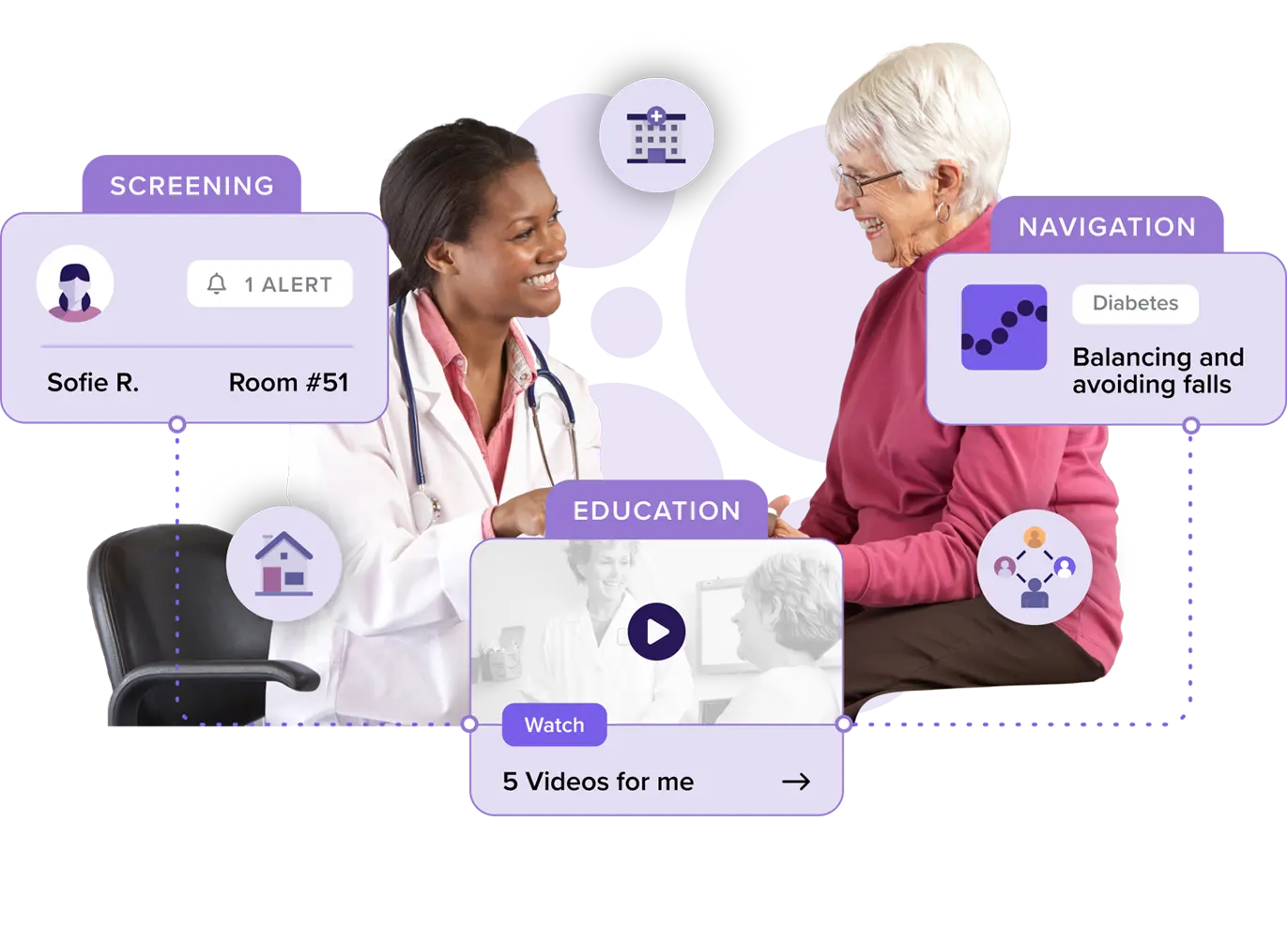
A Digital Whole Health Platform Built for the Patient Journey
Award-winning high-tech, high-touch care team support and patient engagement across the entire care continuum.
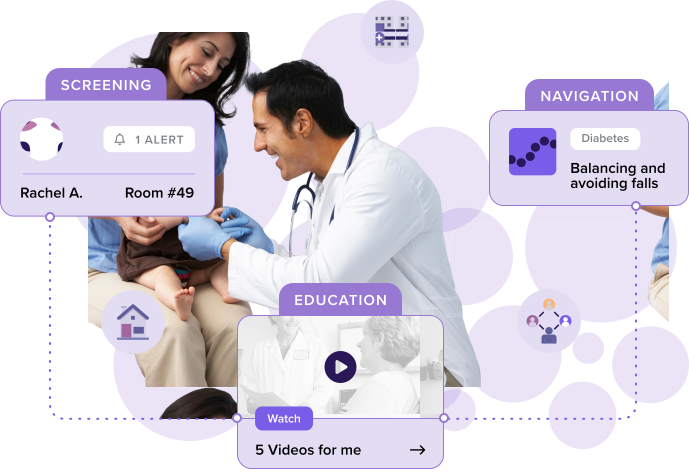




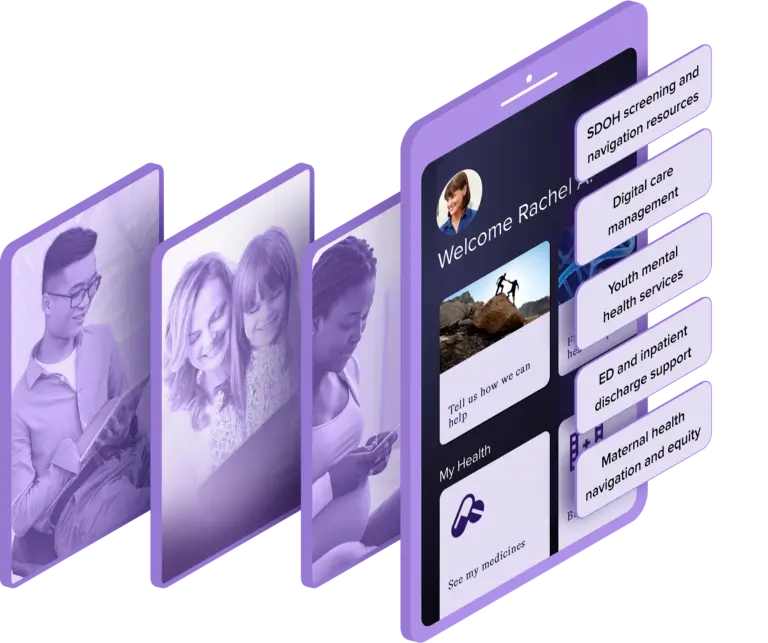
Get Well 360: The Next
Generation Digital Patient Engagement Solution
With Get Well 360, providers and health plans finally have access to a solution that revolutionizes every step of the healthcare journey –not only at the point of care, but also in the community, and beyond.
Get Well 360: Proven value across clinical, financial,
and operational outcomes for 25+ years
Digital engagement programs to activate, engage, and retain patients and members.

Population Health Management
Advance community health through tech-enabled whole health programs.
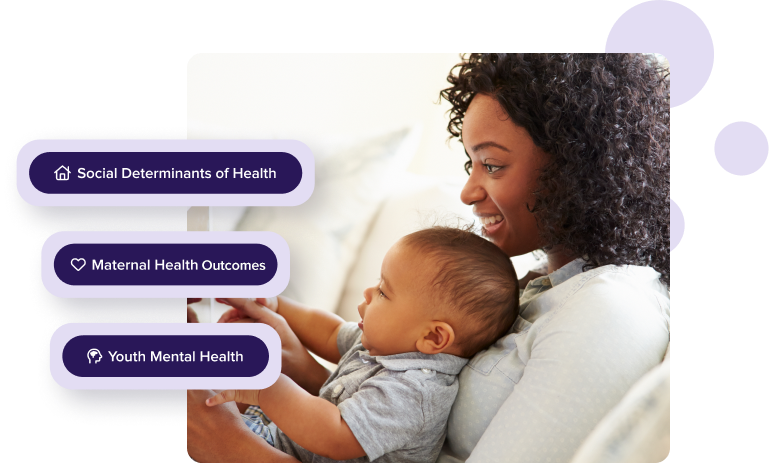
Get Well 360:
Drives Value in Order
for Communities,
Care teams, and
Healthcare Enterprises to Thrive
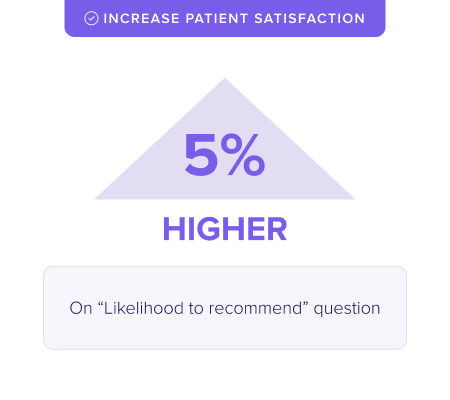
Build Lifelong Loyalty
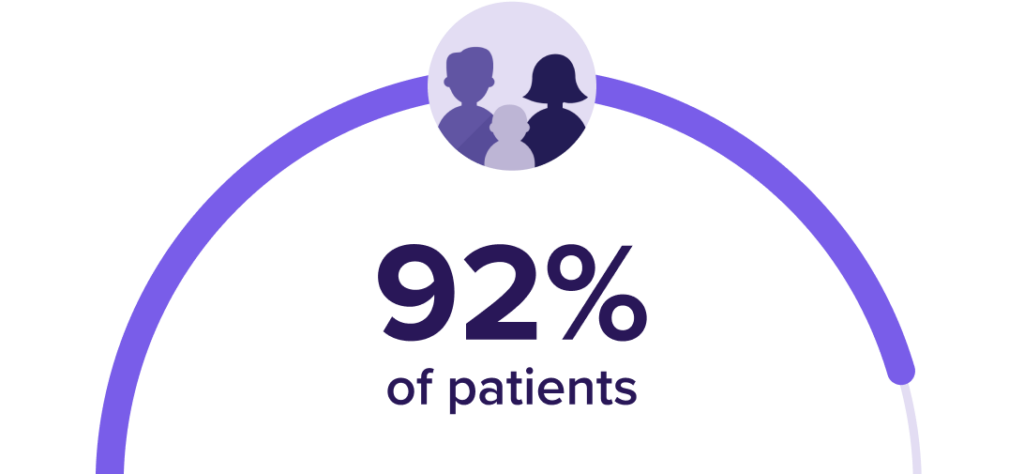
Are “Extremely Likely” to recommend organizations using Get Well
Deepen Patient Relationships
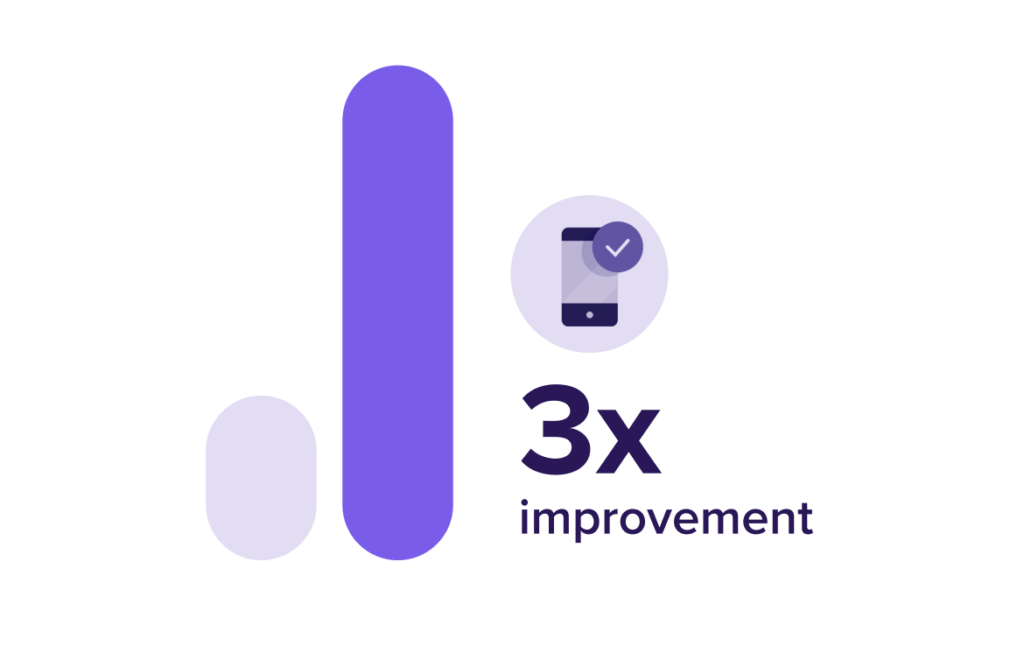
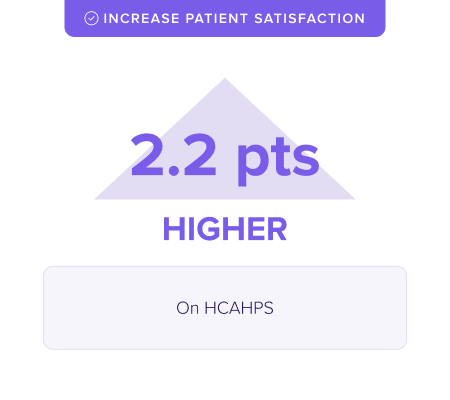
In mobile patient activation and engagement at Palomar Health
Improve Clinical Quality
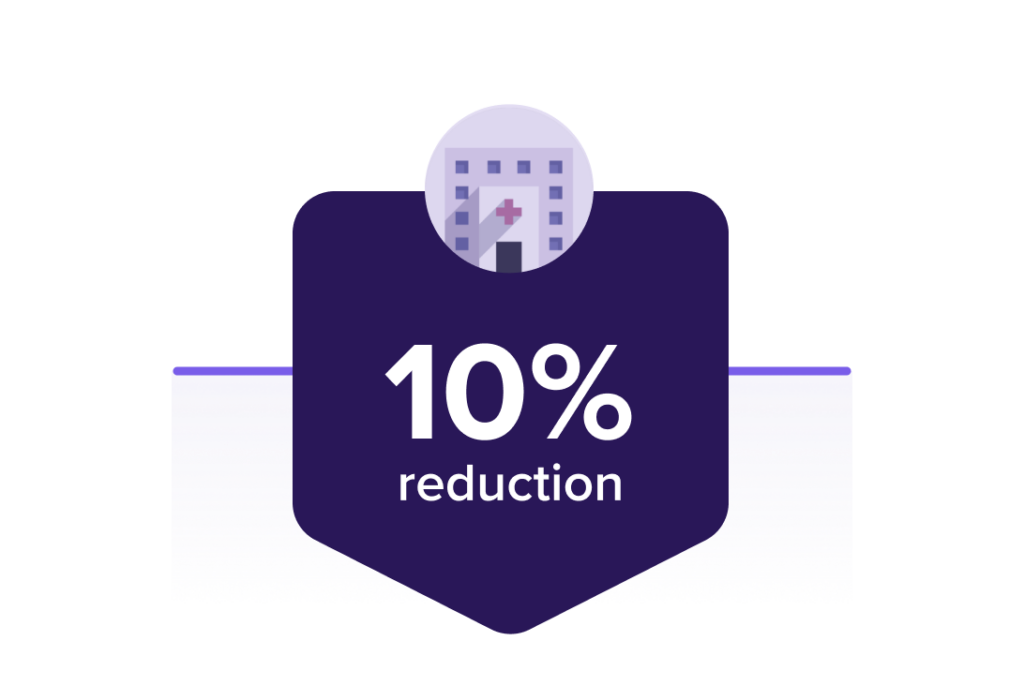
In hospital readmissions within 30 days at OSF Health
Grow Market Share
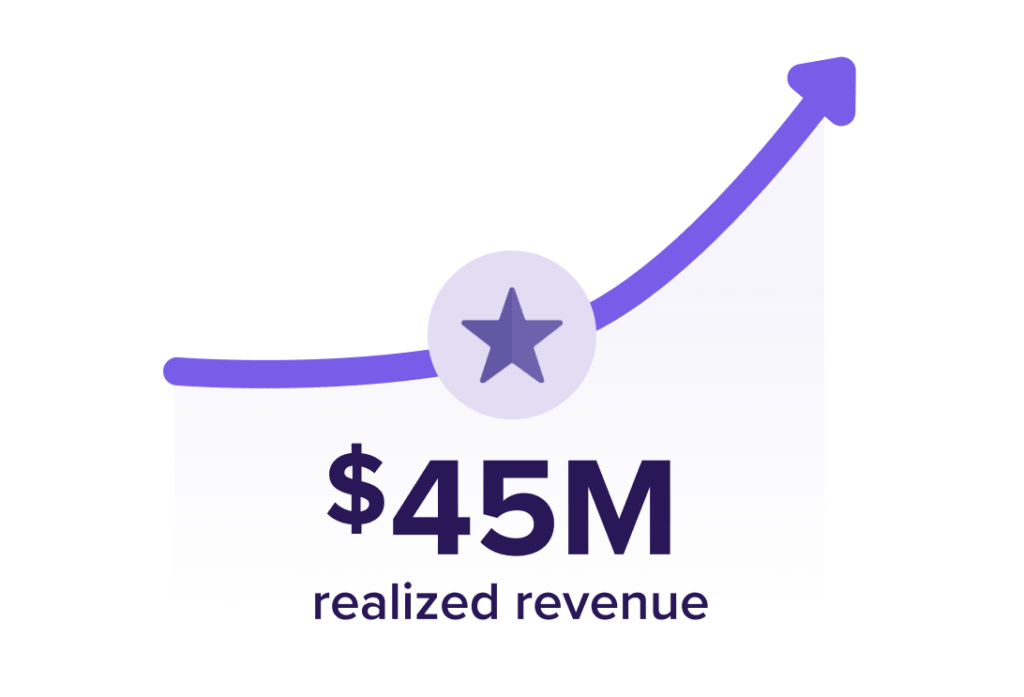
From dormant patient activation at Adventist Health
Trusted worldwide

With the ability to seamlessly integrate anywhere
Trusted by Veterans Affairs
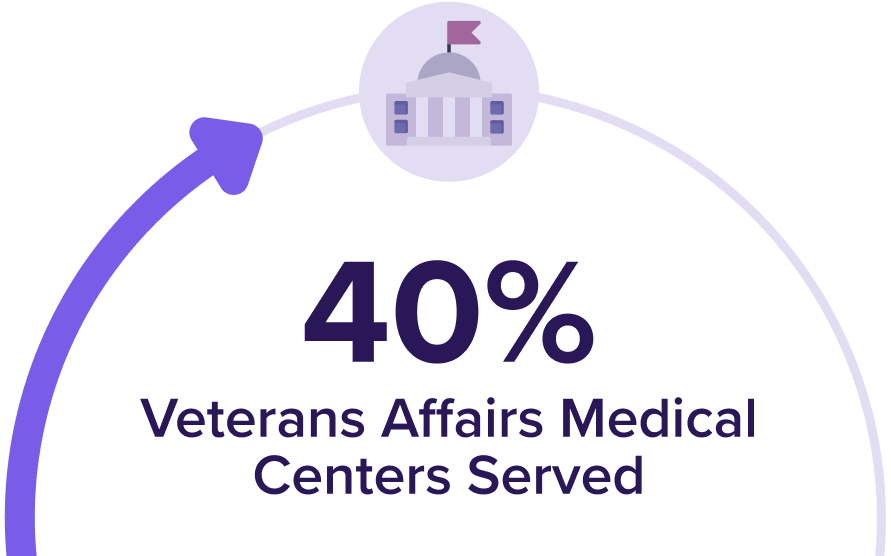
With more on the way
Trusted by Health Systems
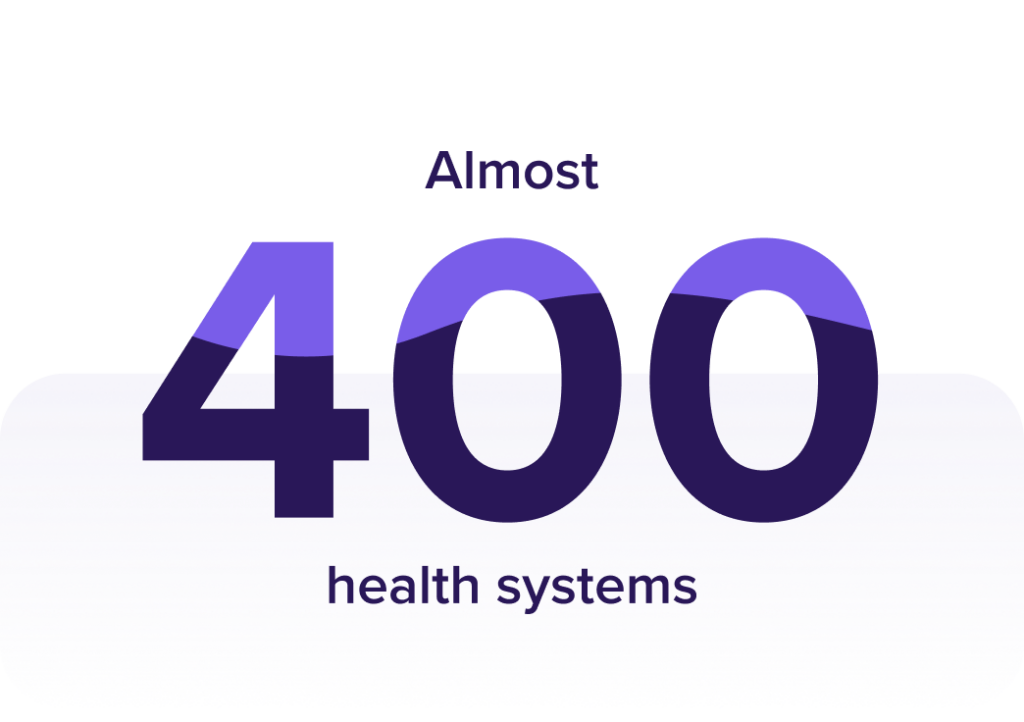
Served to date
Trusted by communities
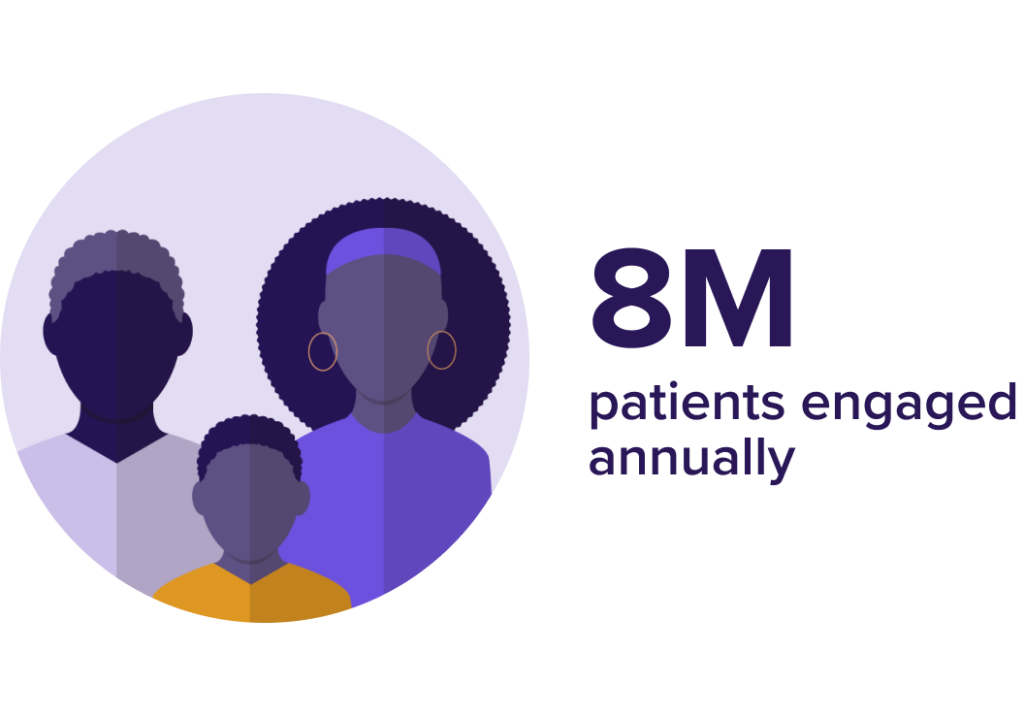
With more added every day
A Full Range of Powerful Digital Patient Engagement Solutions
With over 25 years of award-winning interactive patient care experience, Get Well’s expertise is unmatched. Our solutions span the care ecosystem- inpatient, outpatient, community, and home, along with AI and live navigators- driving enterprise results and ROI.

Health Systems and Hospitals
Get Well reimagines the digital patient engagement experience with innovative SmartRoom design and a unique Hospital Journey Manager that delivers end-to-end patient support from admission through discharge.

Health Plans
Get Well’s population health and members engagement solutions are designed to improve the member experience, scale care management teams, and better the overall health of your member population.

Government Healthcare
Get Well Anywhere – Federal transforms care delivery to enhance veteran care experiences and care transitions. Designed to support your whole-person health initiatives, Get Well is FedRAMP certified and integrated with GovCloud to ensure optimal integration and security.
Pediatric Hospital Solutions
Improve parent and caregiver access, reduce patient anxiety, and offer age-appropriate patient education and entertainment with our pediatric SmartRoom and discharge solutions.

Global Point of Care Engagement
Get Well works with global healthcare providers to provide a seamless patient-centered experience that actively engages and empowers patients to better manage their health.
Unmatched Security and Interoperability
Get Well has earned HITRUST and SOC 2 certifications, globally recognized security and compliance achievements, as well as the FedRAMP-Moderate Level certification and ATO.

20+
unique EHR integrations
500
partner integrations
5
countries served
100M+
patients engaged


Recommended resources
We have a well documented track record of success in delivering consumer-centered experiences that drive results.
Access our full Resource Library

How to Win Patient Loyalty in Today’s Digital World
Don’t get left behind– instead, download our whitepaper, How to Win Patient Loyalty in Today’s Digital World, in order to discover how you can elevate the digital patient experience and thrive in today’s consumer-centric healthcare landscape.

5 Ways to Reduce EHR Inbox Volume with AI, Automation, and Smart Workflows
Discover 5 ways to reduce EHR inbox volume using AI, automation, and smart workflows, enhancing efficiency and reducing burnout.
SAIGroup Expands Healthcare AI Platform with Acquisition of Get Well
Get Well is now part of SAI Group – a leader in enterprise AI solutions.